
Latest posts
-
Radon Levels Spiked After Renovation: Why Disturbing Soil Raises Radon
Renovation triggers radon spikes — and that’s not a maybe. Crack open a basement floor, dig a footer, reroute a drain line, or even just jackhammer a section…
-
Radon Contractor Scams: Red Flags When Hiring a Mitigation Company
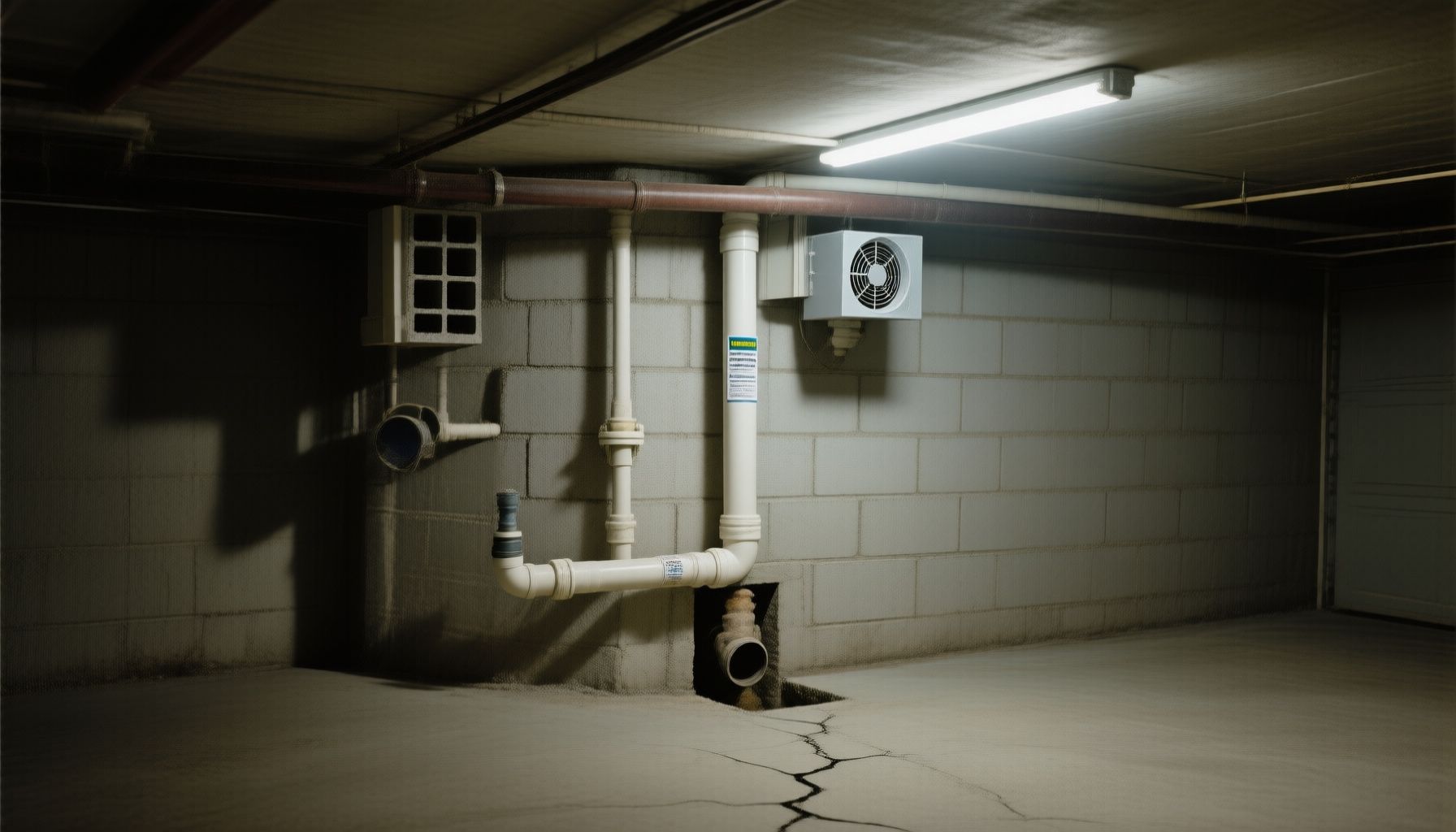
Getting scammed by a radon contractor is easier than you’d think — not because homeowners are naive, but because the scams that actually cost people money look nothing…
-
Can You Get a Home Loan If Radon Levels Are Above 4 pCi/L?
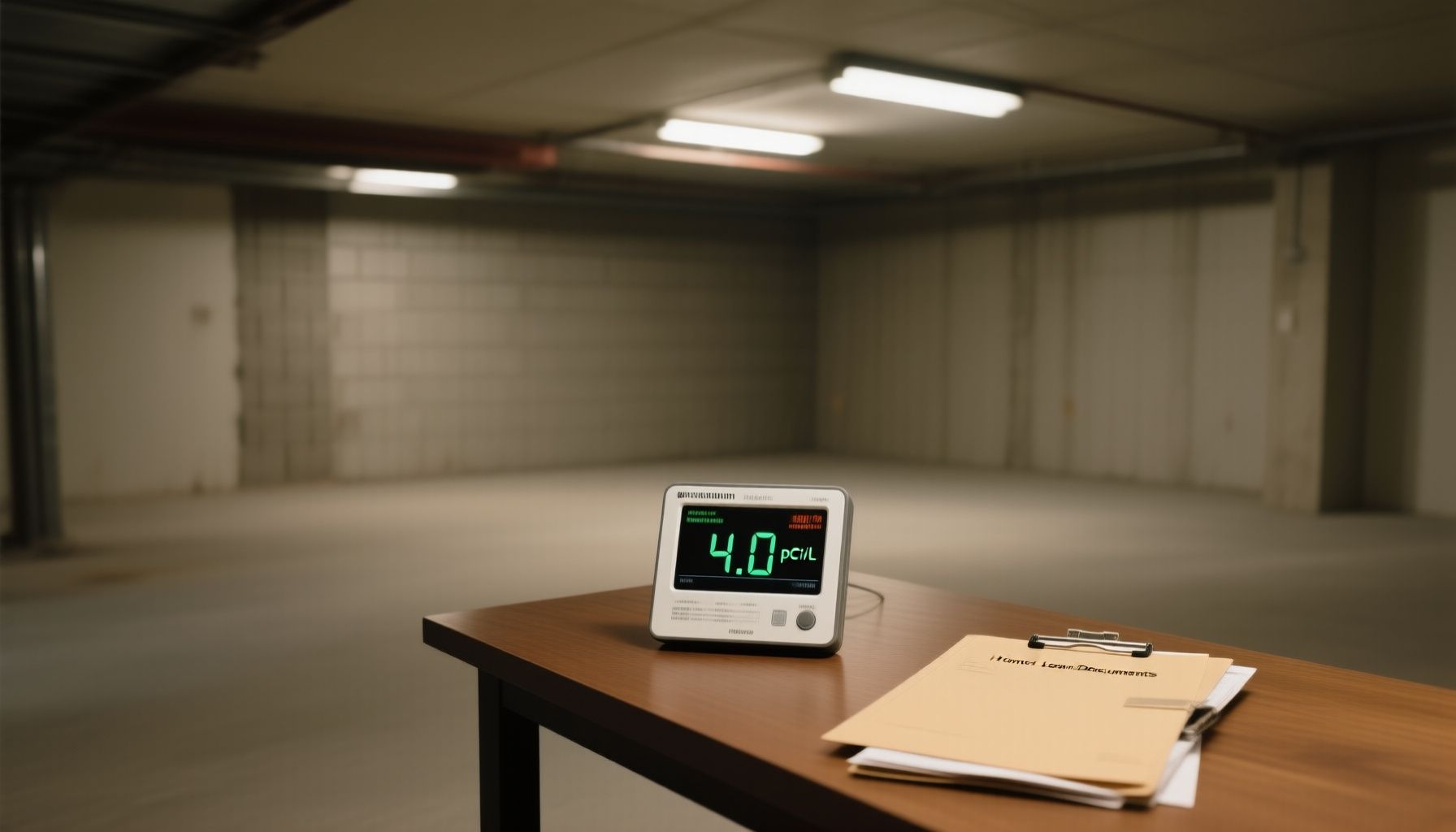
Your lender will likely approve the loan anyway — and that’s actually the part that should worry you. Most buyers assume that radon levels above 4 pCi/L will…
-
Seller’s Radon Test vs My Own Test Show Different Results: Which to Trust?
Both tests can be technically correct — and still show completely different numbers. That’s the part nobody warns you about when you’re standing in a seller’s kitchen trying…
-
How to Negotiate Radon Mitigation Cost With a Home Seller
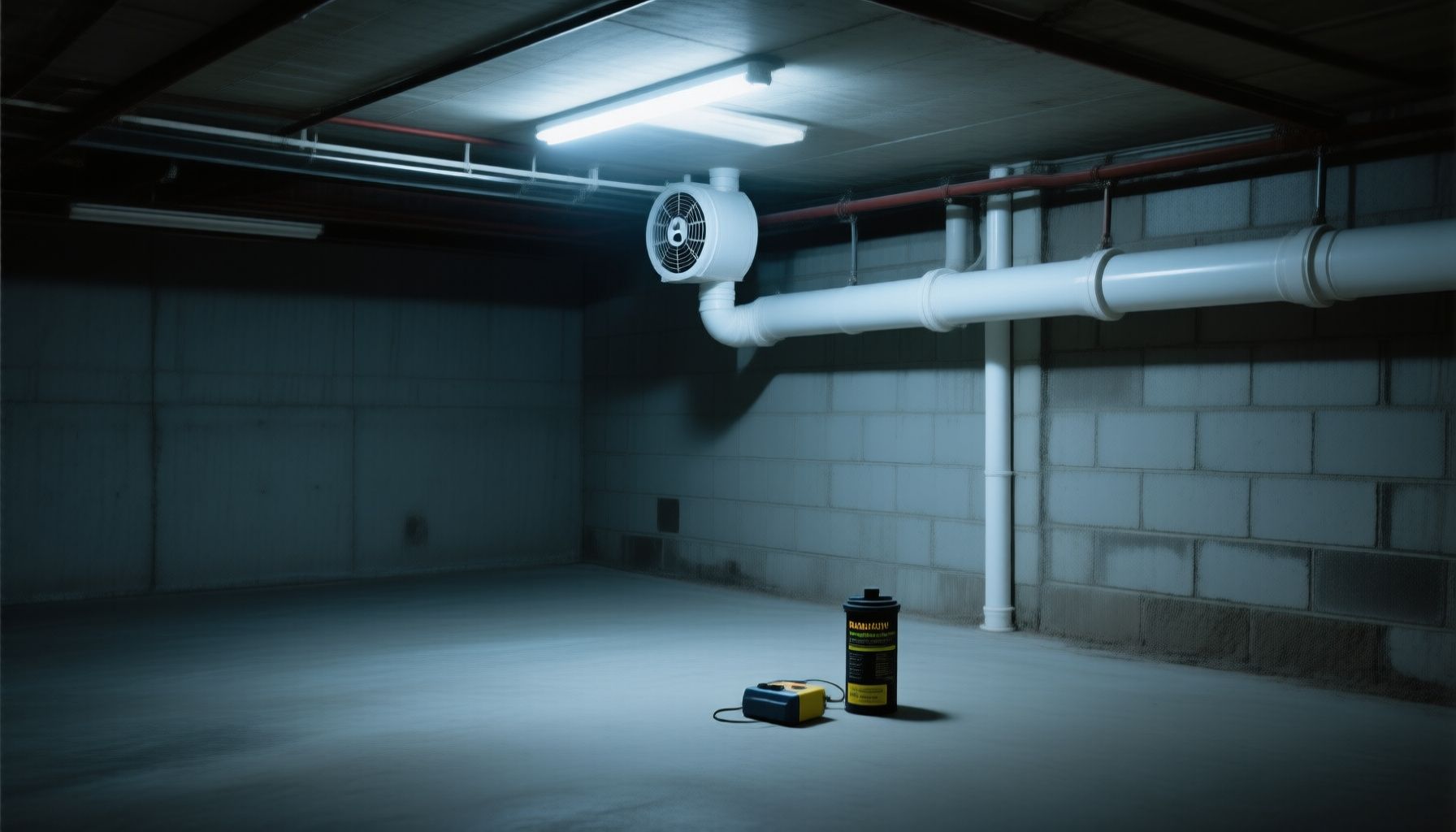
The seller already knows about the radon problem — and that changes everything about how you should negotiate. Most buyers treat a high radon result like a home…
-
Radon and Smokers: Why the Combined Risk Is Much Higher Than Either Alone
Smoking causes lung cancer. Radon causes lung cancer. Put them together and you don’t get twice the risk — you get somewhere between 10 and 25 times the…
-
Is 2 pCi/L Radon Safe Enough or Should You Still Mitigate?
A reading of 2 pCi/L feels like good news — and honestly, compared to a lot of homes, it kind of is. But here’s the thing most homeowners…
-
How Much Radon Exposure Is Safe? The Honest Answer From Scientists
There is no safe level of radon. That’s the honest scientific answer, and it’s also the one almost nobody tells you clearly. The EPA’s 4 pCi/L action level…
-
Radon Mitigation System Installed but Levels Still Above 4 pCi/L: Why
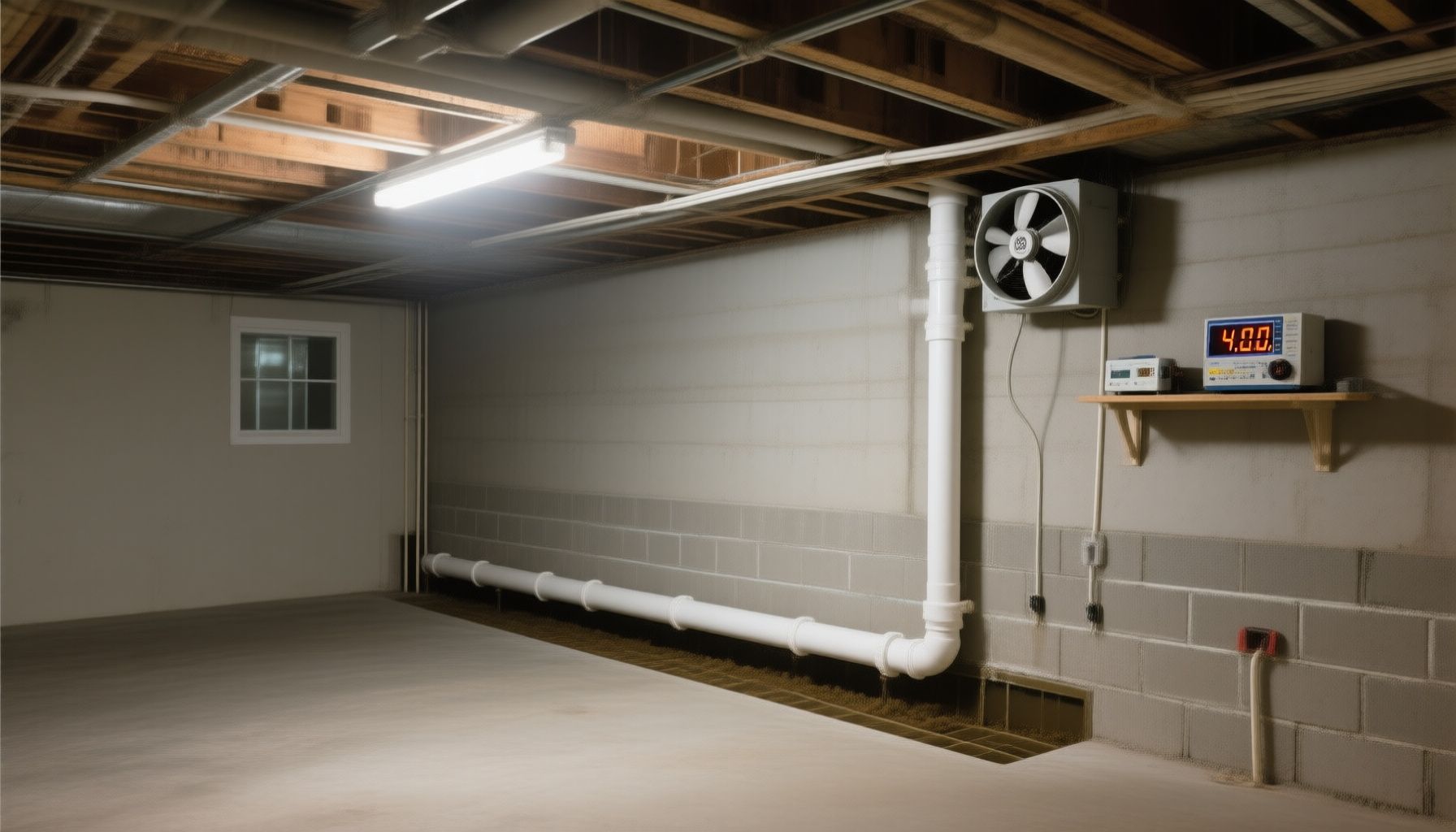
Your system is running. The fan hums, the manometer shows negative pressure, and you did everything right — yet your post-mitigation test comes back at 5.8 pCi/L. That’s…
-
Radon in Kentucky: Karst Geology and Why Levels Are Extreme
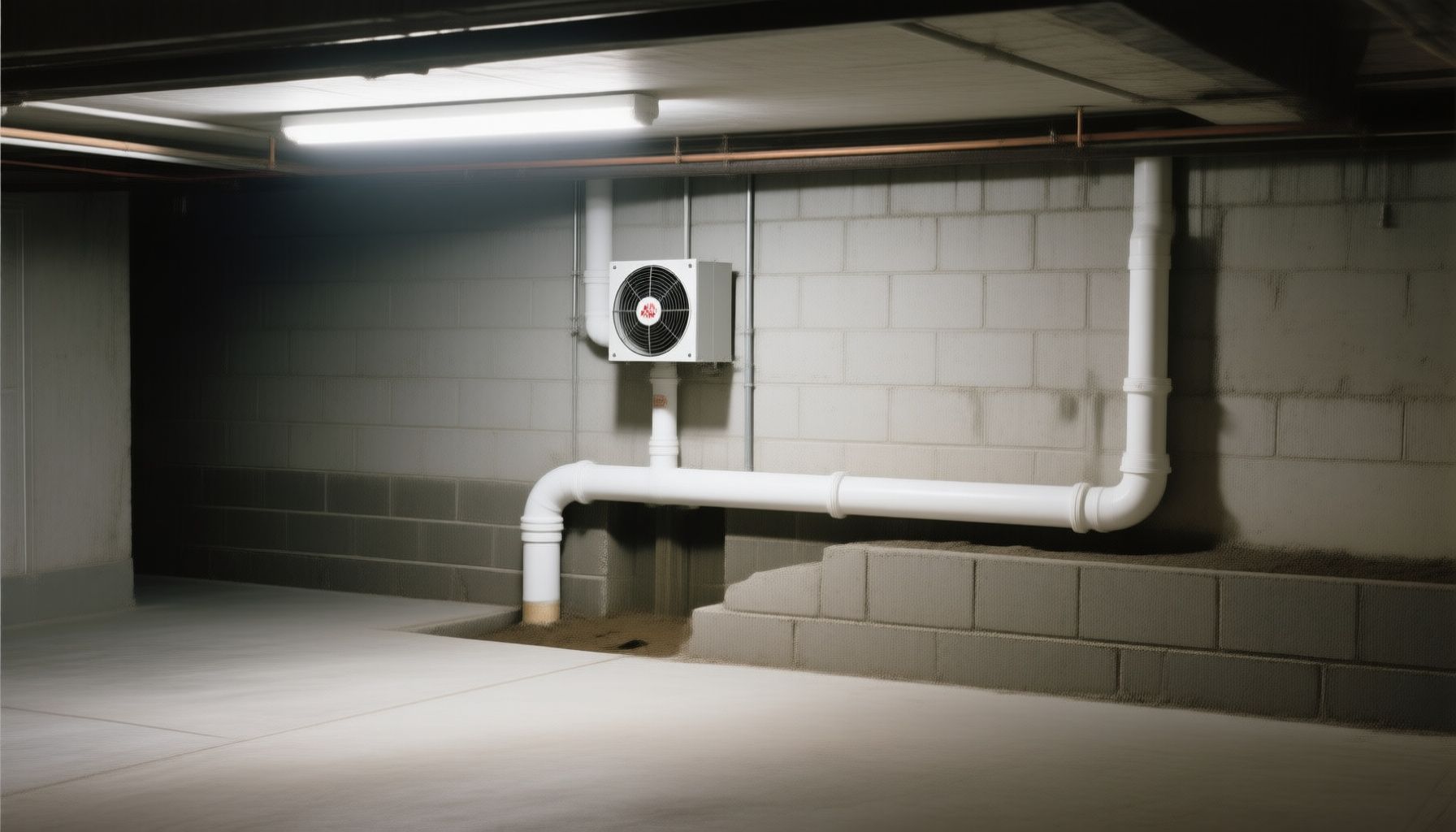
Underneath roughly 55% of Kentucky’s land surface, the bedrock is dissolving. Slowly, relentlessly, limestone is being eaten away by slightly acidic groundwater, leaving behind a hidden network of…


